🏢 Cómo la tecnología está transformando la experiencia en centros comerciales en Colombia

Introducción
Los centros comerciales en Colombia ya no compiten únicamente por marcas o ubicación. Hoy, la verdadera diferencia está en la experiencia del usuario.
Un visitante no solo busca comprar: quiere comodidad, rapidez, seguridad y soluciones prácticas. En este escenario, la tecnología se ha convertido en el factor clave para atraer, retener y fidelizar clientes.
Desde parqueaderos inteligentes hasta kioscos interactivos y lockers automatizados, la transformación ya está en marcha.
🧭 Del espacio físico a la experiencia digital
Antes, un centro comercial era simplemente un conjunto de tiendas. Hoy es un ecosistema donde la tecnología guía la experiencia del usuario.
¿Qué ha cambiado?
Usuarios más exigentes
Menor tolerancia a filas o demoras
Mayor uso de smartphones
Expectativa de autoservicio
Esto ha llevado a los operadores a invertir en soluciones que reduzcan fricción en cada punto del recorrido del visitante.
🚗 El parqueadero: el primer punto de contacto
La experiencia del usuario comienza antes de entrar al centro comercial: empieza en el parqueadero.
Un sistema moderno permite:
Accesos rápidos sin filas
Identificación automática de vehículos
Reducción del tiempo de ingreso
Mayor control y seguridad
Cuando este proceso falla, la percepción del lugar también se ve afectada.

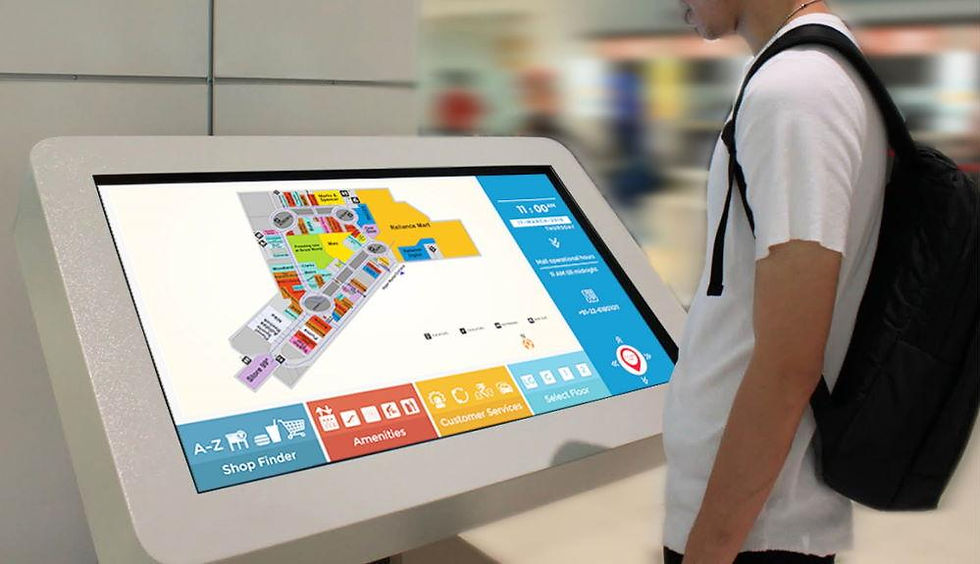
📱 Kioscos interactivos: información en segundos
Los kioscos interactivos se han convertido en asistentes digitales dentro del centro comercial.
Permiten a los visitantes:
Ubicar tiendas fácilmente
Consultar promociones
Ver mapas del lugar
Acceder a información en tiempo real
Esto reduce la dependencia de puntos de información físicos y mejora la autonomía del usuario.
📦 Lockers inteligentes: comodidad y seguridad
El crecimiento del e-commerce ha cambiado el comportamiento del consumidor.
Los lockers inteligentes permiten:
Recoger compras sin hacer filas
Dejar paquetes de forma segura
Facilitar devoluciones
Integrar tiendas físicas con ventas online
Esto convierte al centro comercial en un punto logístico, no solo comercial.
💳 Pagos ágiles: menos filas, más satisfacción
La velocidad en los pagos es clave para la experiencia.
Las soluciones actuales incluyen:
Pagos sin contacto
Cajas de autoservicio
Integración con apps
Sistemas centralizados
Esto reduce tiempos de espera y mejora la percepción del servicio.
📊 Datos: el activo más valioso
La tecnología no solo mejora la experiencia del usuario, también genera información clave.
Los centros comerciales ahora pueden:
Analizar flujo de visitantes
Identificar horas pico
Medir zonas más concurridas
Optimizar espacios y servicios
La toma de decisiones deja de ser intuitiva y pasa a ser estratégica.
🔒 Seguridad como parte de la experiencia
La seguridad ya no es solo vigilancia, es parte integral de la experiencia.
Con sistemas tecnológicos se logra:
Monitoreo en tiempo real
Control de accesos
Registro de eventos
Respuesta más rápida ante incidentes
Un entorno seguro aumenta el tiempo de permanencia del visitante.
🇨🇴 Tendencia en Colombia
En ciudades como Bogotá, Medellín y Cali, los centros comerciales están invirtiendo cada vez más en tecnología.
La competencia ha elevado el estándar, y los usuarios ya comparan experiencias, no solo tiendas.
Los espacios que no evolucionen corren el riesgo de quedarse atrás.
Conclusión
La tecnología está redefiniendo el concepto de centro comercial.
Ya no se trata solo de vender productos, sino de ofrecer experiencias memorables, eficientes y conectadas. Los centros comerciales que entiendan esto y adopten soluciones tecnológicas estarán mejor preparados para el futuro.


Comentarios